The Reading To Connect Show
Conversations with Peter H. Reynolds, Aaron Blabey, Rachel Renée Russell, Darryl “DMC” McDaniels, Winsome Bingham, Alice Faye Duncan, Lyn Sisson-Talbert, and others.
Listen to the Show (opens in a new tab)
Reading To Connect began with a question I couldn’t quite let go of: What if some of the most important things happening while families read together have very little to do with finishing the book?
I’m Quinn Cummings, founder of Reading To Connect and creator of The ENGAGE Method®. This work began with my son, Aidyn, and the things I learned about him while we read together.
A question that had nothing to do with the plot. A joke that became ours. An opinion I didn’t expect. I began paying attention to what those moments made possible—and to how easily I could miss them when I was focused on finishing the book.
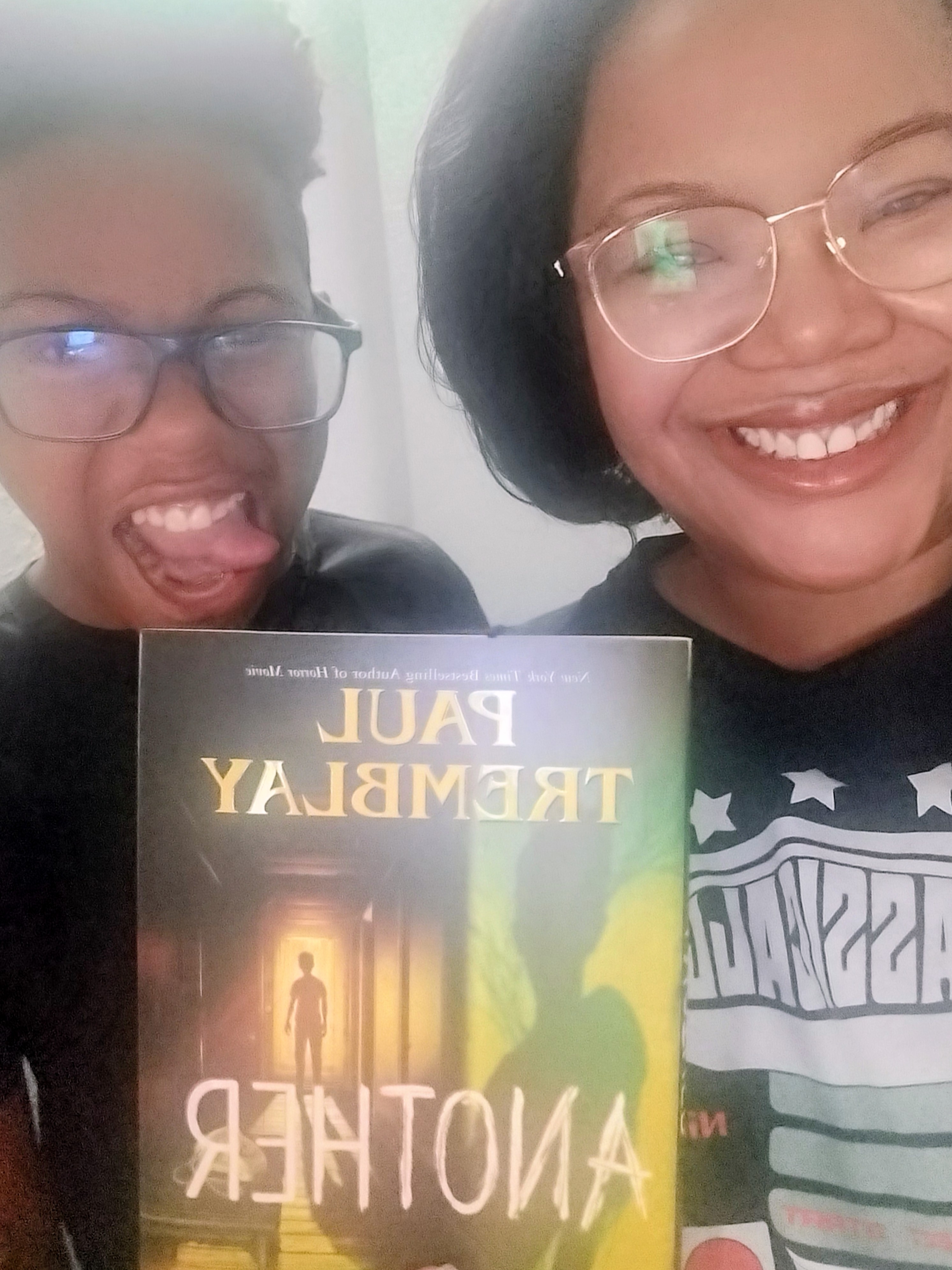
The beginning
When my son, Aidyn, was little, I was scared. I was a single mom, and I wanted him to have the words to tell me what was going on when I wasn’t there. So I used books to teach. A book about kindness. A book about feelings. Every story was a lesson.
That’s also how I was trained to sell books. At a children’s book sales company, the model went like this: a parent wants a book about kindness, so you find a kindness book. Topic, match, sell. Very little of it was about the story inside.
But that was never how I came to love books. I learned about my mother by reading the novels she left around the house. My grandmother wrote songs, and I learned early that words could carry feeling. Later, as a bookseller at Barnes & Noble, I recommended books by what people wanted to feel, not what they needed to learn.
In my interview there, the manager asked if I finish every book I start. Of course I did. He told me: you do not have to commit to someone’s inability to tell a story. That was my first lesson that it’s not all about the book.
So I started asking a different question:
Why do we treat children’s books as if they are only lessons to teach?
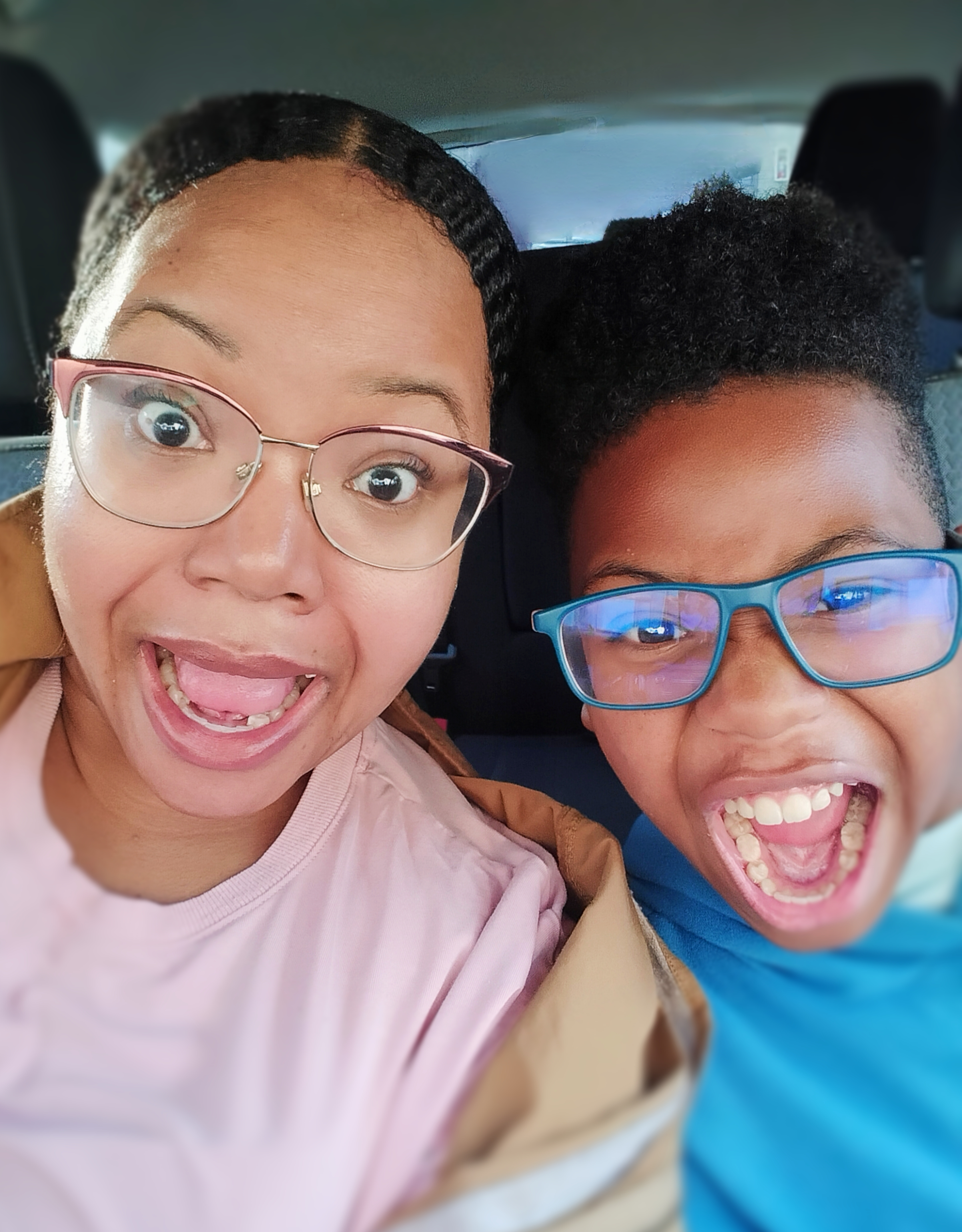
What changed
Over time, reading with Aidyn changed. Books became a place for us to meet. Sometimes we read the story exactly as it was written. Sometimes we interrupted it, changed a character’s name, laughed at something ridiculous, or ended up talking about something the author probably never intended.
Reading was also telling me about my child: what he noticed, what bothered him, what made him laugh, what felt unfair, what he believed, and who he was becoming.
I came to see that parents don’t only help children make meaning from books. Books can also help parents make meaning of their children.
The question got bigger
The more I studied family life, parent-child interaction, literacy, and shared reading, the more I noticed a gap. We often tell families that reading together “builds bonds,” but we rarely explain how. Connection is treated as something that just appears if a parent and child sit beside each other with a book.
School has one relationship to reading. Home is allowed to have another. Too often, reading with a child turns into a performance: stories become lessons, children become scores, and the adult starts checking instead of knowing.
The books matter too. When a child never sees their family, their home, or their hair in a story, the message can be just as loud. If connection matters, I don’t think we should leave it to chance.
“Children can tell when they are being checked instead of known.”
The approach
That belief became the foundation for what I call Engaged Shared Reading™: an approach to reading together that makes room for curiosity, responsiveness, conversation, child agency, play, reflection, and relationship.
It is not another way to quiz children or turn home into school after school. It is a way into each other.
The framework
I created The ENGAGE Method® to turn that approach into something families can use with the books they already have.
The six practices offer different ways to welcome a child into reading, help them feel known, share expression and family meaning, listen, and make room for imagination. Families do not have to use all six, or turn reading into another task.
“To me, it’s an invitation to go into your child’s world, using books that are relevant to whatever they’re going through at the time.”
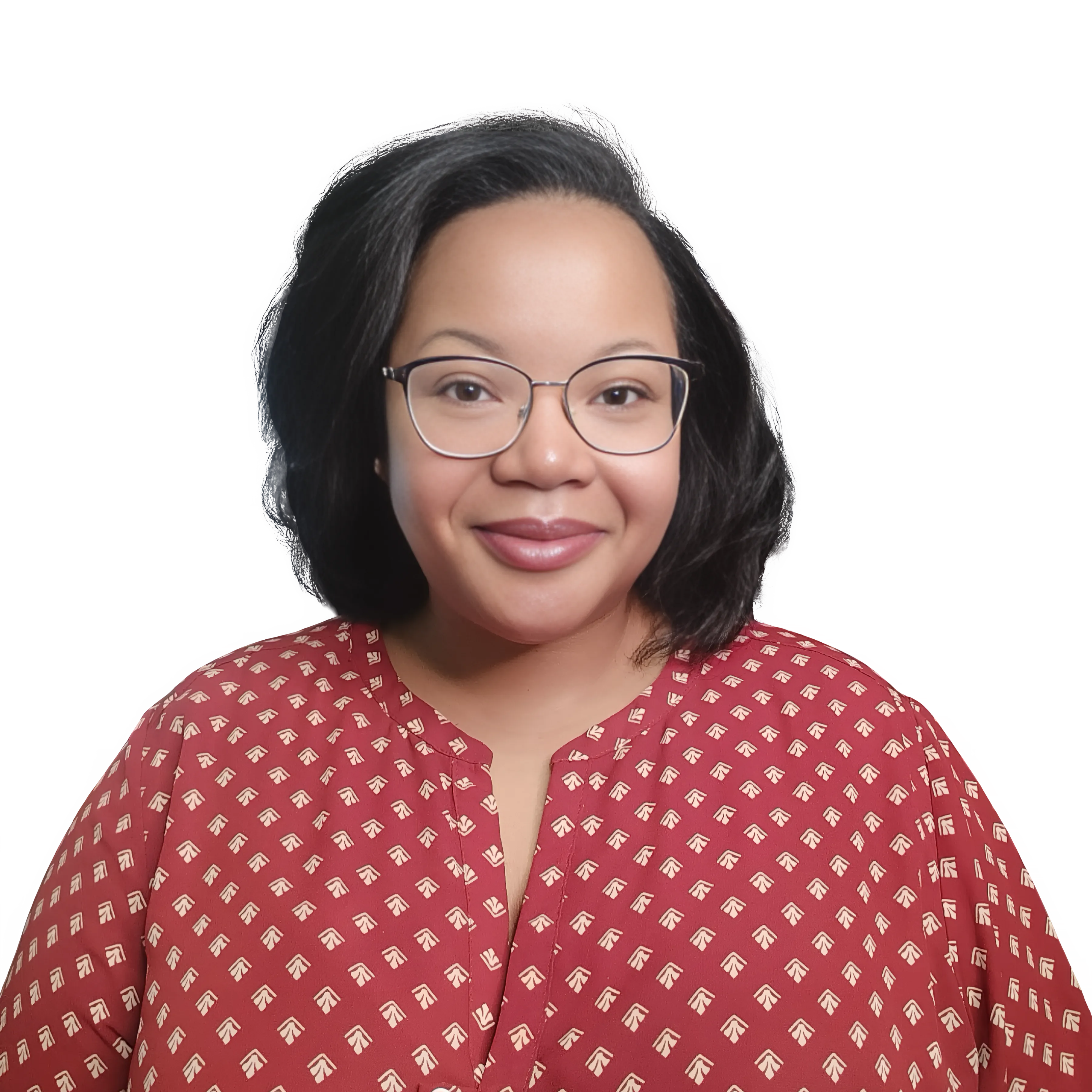
The person behind the work
Quinn Cummings is a family life educator, speaker, and founder of Reading To Connect. She created The ENGAGE Method® to help families turn shared reading into opportunities for curiosity, conversation, and deeper connection.
Her work draws on two decades across education, nonprofit leadership, family-serving organizations, and global training—including Philadelphia’s alternative school system and Rutgers’ Institute for Families. She has developed programs, led committees, organized events, and delivered training for international audiences. Across these settings, she makes complex ideas accessible and brings people together to put them into practice.
Quinn serves in parenting and children’s book organizations and has led PTA programming as an active community member and proud Richardson ISD Ambassador. As host of The Reading To Connect Show, she has interviewed award-winning authors and cultural figures including Peter H. Reynolds, Aaron Blabey, Nancy Churnin, and Darryl “DMC” McDaniels.
Bring Quinn to your next conversation, training, or event.
Book Quinn to SpeakThe work in the world
Conversations with Peter H. Reynolds, Aaron Blabey, Rachel Renée Russell, Darryl “DMC” McDaniels, Winsome Bingham, Alice Faye Duncan, Lyn Sisson-Talbert, and others.
Listen to the Show (opens in a new tab)Recognized by proclamation in Richardson, Garland, and Irving, Texas, and Camden County, New Jersey, with the day carried to families through school and community partners.
Read the proclamationsWhat we are building toward
I believe a book can give a parent a way into their child’s world. It can give children a place where their ideas are taken seriously. It can give families room to laugh, ask, disagree, remember, imagine, and tell each other the truth.
That is what Reading To Connect is working toward: a world where connection is not a nice side effect of reading together, but something every family knows how to make room for.
Read what we stand for: We Read To Connect
Make the books you already read feel more like connection and less like homework.
Explore Reading To Connect for FamiliesBring The ENGAGE Method® into programs that serve children and families.
Explore Training & Partnerships