
Books About Moving for KidsRead about packing, goodbyes, and a different home.
Home Is a Window, A New Home, The Blue House, and The Night Before Moving Day show different parts of a move. Choose a story for the part your child is interested in, whether that is the boxes, the old home, or a new place to play.
Try ENGAGE See the books ↓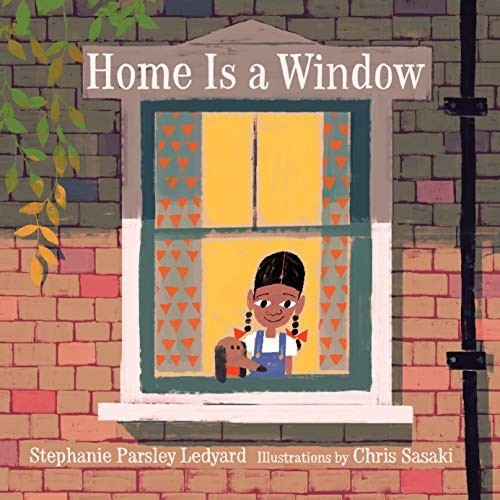
4 picture books.
Read at your child’s pace.
4 books to read together
These books about moving for kids include practical activity, familiar routines, and leaving a home you wanted to keep. A child is allowed to be interested in the new place and still miss the old one.
Reading To Connect is for family reading: a caregiver and a child, reading one book together. We don’t set an age limit on that. We list the publisher’s suggested ages so you can see the range, but you know your child best. Choose the book that fits the child in front of you.
Tap a title to read more.
| Book | What the story includes | Ages (publisher) |
|---|---|---|
| Home Is a Window | Familiar routines in a different home | 4 to 8 |
| A New Home | Moving to a different city | 4 to 8 |
| The Blue House | Leaving a home you wanted to keep | 4 to 8 |
| The Night Before Moving Day | Packing, goodbyes, and moving day | 4 to 6 |
Home Is a Window
A family leaves one home for another. Rooms and surroundings change, while familiar people, objects, and everyday activities appear throughout the move.
Look for an object or routine that appears before and after the move. Ask about a detail in the picture only if your child seems interested in staying there.
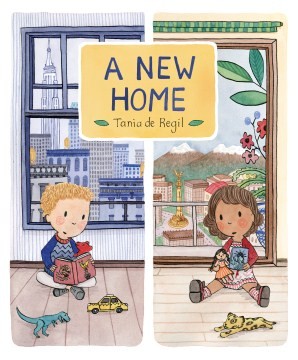
A New Home
A girl in Mexico City and a boy in New York City are each preparing to move. Their questions about their new cities sit beside pictures of the places they know.
Compare the streets, food, and places to play. Your child is allowed to be curious about a city without being ready to feel excited about their own move.
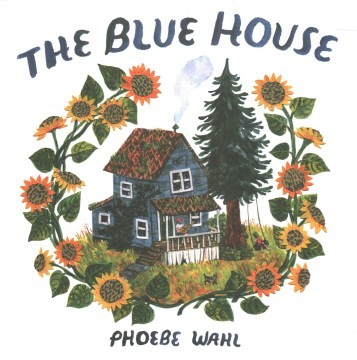
The Blue House
Leo and his dad must leave their blue house as the neighborhood changes. They are unhappy about moving and later find a way to remember the house in their new home.
Notice that Leo and his dad both have feelings about leaving. Stay with what they will miss before pointing out anything good about the new place.
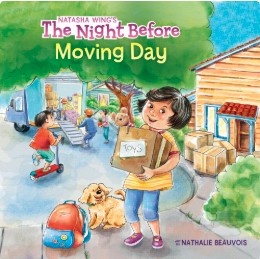
The Night Before Moving Day
A family packs up, says goodbye, and prepares for a new home. The rhyming text follows the practical activity around a move.
Look at what goes in the boxes and what the family does before leaving. A child who wants practical details might prefer this part to talking about feelings.
What to notice
Notice whether your child wants practical information or time with a picture. “Where does the bed go?” is a question about the bed.
Look at what the characters choose to carry or remember. Ask about the story before assuming your child wants to make the same choice.
Accept different feelings on different days. The ending of a book does not decide how your child should feel about a move.
What not to do
- Do not use the book to convince your child that the move is good.
- Do not replace a comment about missing the old home with a list of advantages.
- Do not promise a new friend or an experience you cannot guarantee.
- Do not make a keepsake activity part of the reading unless your child wants it.
What to say
Offer one comment and pause. Your child decides whether to answer, add something else, or keep reading.
“There are things about that place they want to keep.”
“Here’s what we know so far.”
Questions about reading together
Which book is most focused on the practical parts of moving?
The Night Before Moving Day follows packing and goodbyes. Home Is a Window gives more attention to familiar objects and routines across two homes.
What if our move is not a choice?
The Blue House includes a father and son who must leave their home. Read it first to decide whether the details fit your child’s situation.
Should we read about moving before or after the move?
Offer the book when your child is interested. Before the move, they might want details about packing; afterward, they might prefer a story about missing home. Follow what they ask for.
Who wrote this and how the books were chosen
Quinn Cummings, Certified Family Life Educator (CFLE-P), is the founder of Reading To Connect. She built The ENGAGE Method® to help caregivers notice and respond to their children while reading together. Read about Quinn and her work.
The selection includes packing, moving between cities, familiar routines, and an unwanted move. Each title appears in the ENGAGE catalog supplied for this page.
Find guidance for the book you’re reading in ENGAGE
ENGAGE has book-specific guidance for reading together, with ideas for what to say and notice. Your child decides what to share, whether to answer, and when to turn the page.
Type in your book. See its information.
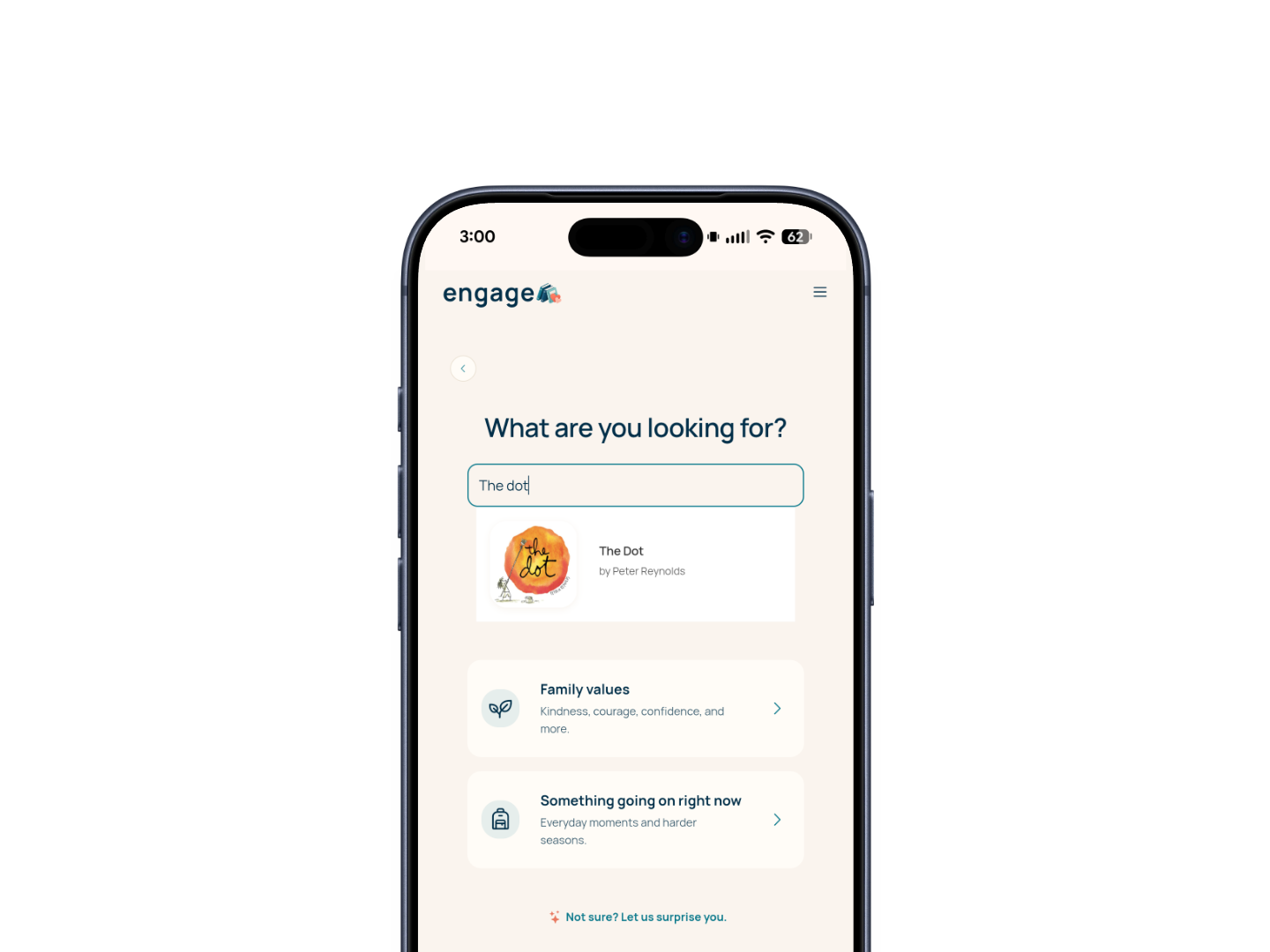
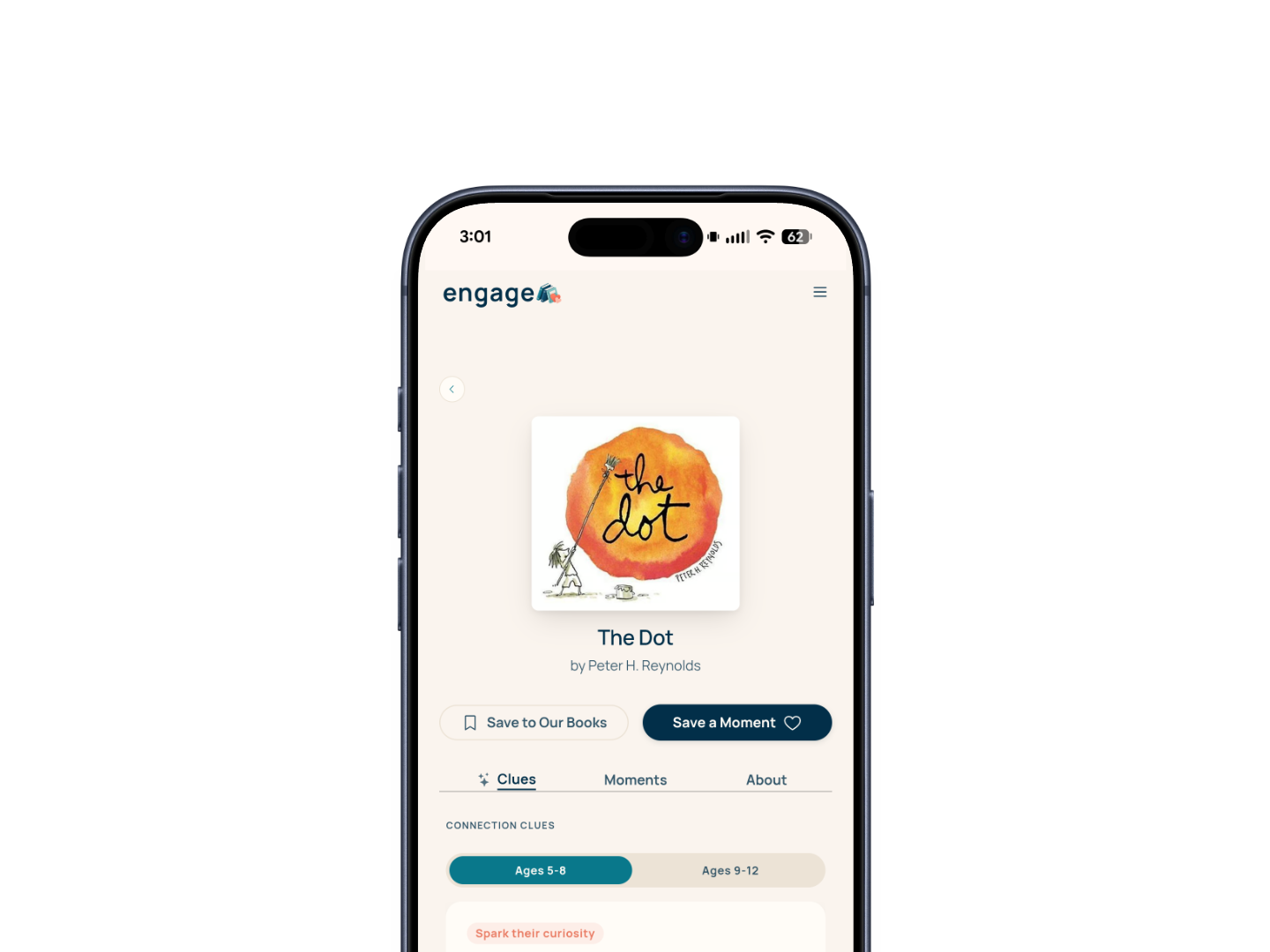
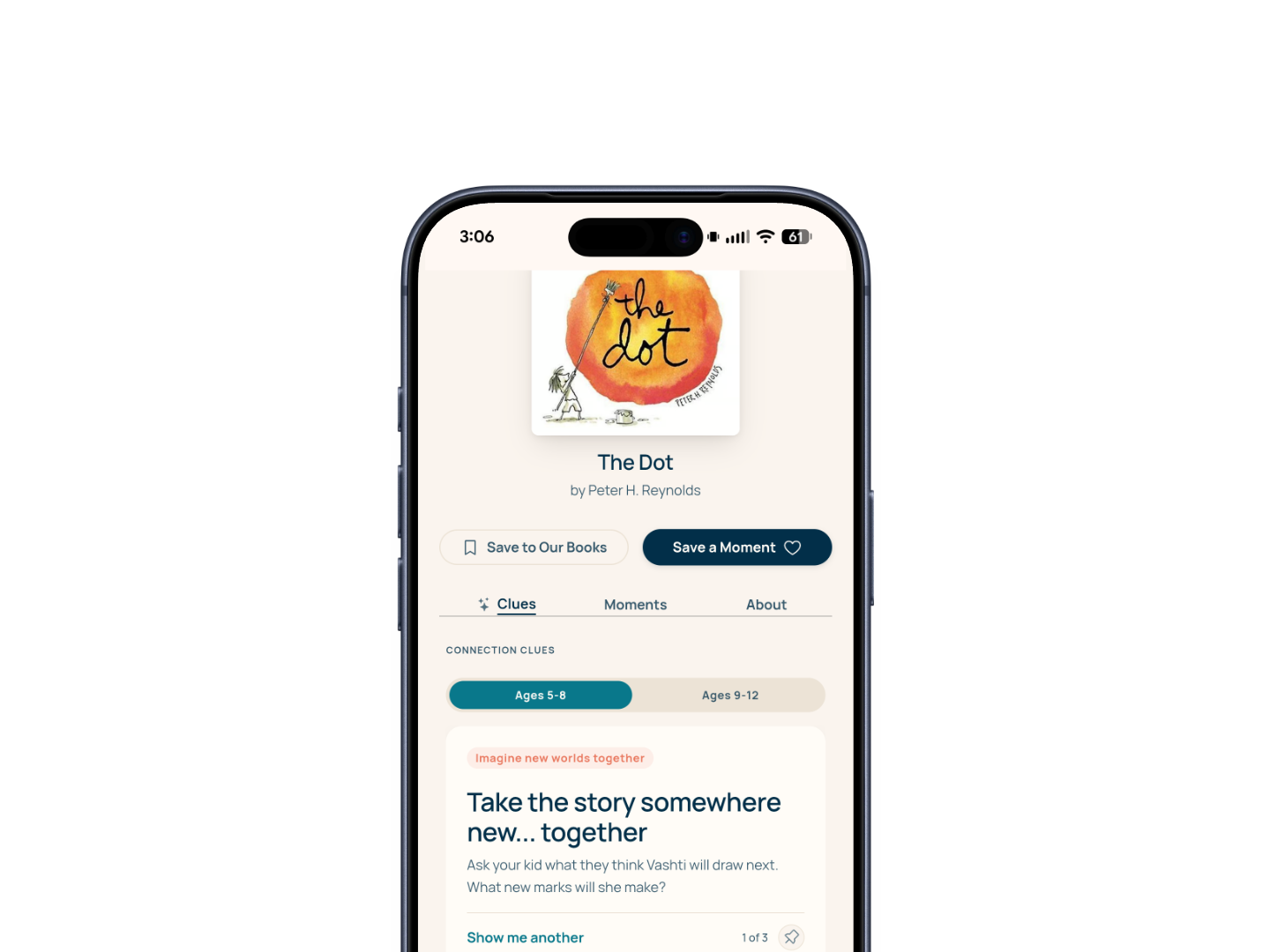
After you sign up, enter your book’s title. If it’s in the ENGAGE catalog, select it to see its information and book-specific guidance. Here’s an example with The Dot.
Try ENGAGE Tap a step to see the screen.01Type in your book
Enter the title in the search field, then select your book from the results.
02See your book’s information
Select the book to open its page. Use “About” to see information about the book.
03Find guidance for reading together
Open “Clues” and choose the age band that fits your child. Read the book-specific guidance and choose what fits your time together.
Sign up for ENGAGE to find guidance for reading a book together.
Sign up for ENGAGE14 days free, then $6.99/month at the founding price. No card required for the trial. Works in your browser.