
Books for Reluctant Readers:Find a Way to Read Together
Start with something your child is curious about and a way of sharing it they are willing to try. That might be a funny picture book, a comic, a few pages about an animal, or listening while you read. Offer a choice without making them prove they can read it. If reading itself seems difficult, a better book may be only part of what they need.
Try ENGAGE See the books ↓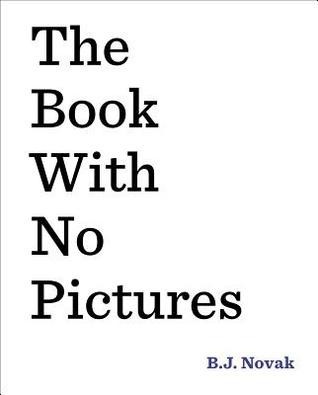
4 picture books.
Read at your child’s pace.
Start with what your child means
“I don’t like reading” gives you a place to begin, but it does not tell you the whole story. They may dislike this book, want to choose for themselves, or find the reading hard. When they are willing, ask: “Is it this book, reading the words, or something else?” They can also say they do not know.
Try one change you can actually use: a different topic, a different format, or an offer to read aloud. Notice what your child tells you. You do not need to turn the next book into a test of whether the change worked.
Four picture books to try together
Books for reluctant readers do not need to be a test of reading skill. Try humor, a physical action, or a character who talks to the reader. Offer one book, accept a refusal, and let family reading be time together.
Reading To Connect is for family reading: a caregiver and a child, reading one book together. We don’t set an age limit on that. We list the publisher’s suggested ages so you can see the range, but you know your child best. Choose the book that fits the child in front of you.
Tap a title to read more.
| Book | What the story includes | Ages (publisher) |
|---|---|---|
| The Book With No Pictures | Hearing an adult read silly words | 5 to 8 |
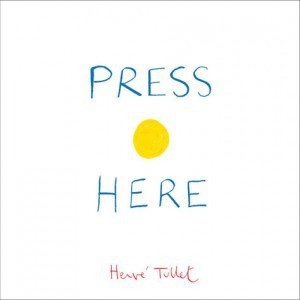
| Press Here | Touching and moving a book | 3 to 5 |
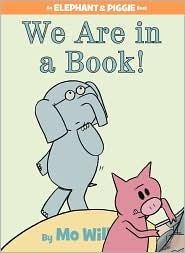
| We Are in a Book! | Characters who notice the reader | 3 to 5 |
| Don’t Let the Pigeon Drive the Bus! | Answering a persistent pigeon | 3 to 5 |
The Book With No Pictures
The adult reading aloud has to say the words on the page, including ridiculous sounds and statements. The fun comes from what the reader says and how they say it.
Follow the part your child finds funny. If they ask for the same page again, read it again. Their enjoyment is enough; it does not need a follow-up question.
Press Here
Dots seem to change as the reader presses, shakes, and tilts the book. Each page offers another physical action to try.
Offer to hold the book while your child decides whether to try an action. If they want to watch you do it or skip ahead, follow that choice.
We Are in a Book!
Gerald and Piggie discover that someone is reading about them. They enjoy what the reader does, then wonder what happens when the book ends.
Read both parts yourself or offer your child a character. Let them change their mind. Repeating a favorite line is an option, not a reading task.
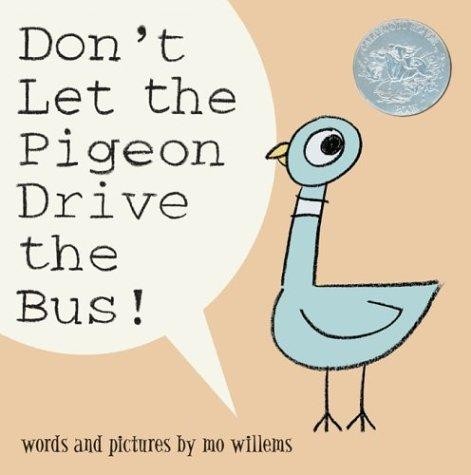
Don’t Let the Pigeon Drive the Bus!
A bus driver leaves the reader in charge, and the pigeon argues for a turn at driving. His attempts to persuade the reader carry the story.
Enjoy the pigeon’s expressions and requests. Your child gets to decide what to say back, including an unexpected answer.
Choosing with an older child
If you are looking for books for a reluctant reader around age 10, begin with their interests and the kind of page they want to spend time with. Keep picture books available alongside graphic novels, illustrated nonfiction, magazines, and longer stories you can read aloud. Ask a librarian for a few possibilities about something your child already cares about.
Look at a sample together before choosing. A graphic novel may have fewer words on a page and still ask a reader to follow a complicated story. A long book might work well when you read it aloud. The format is a choice, not a promise that the book will be easy.
Let your child help decide how to share it: listen while you read, take a character’s lines if they want to, look through the pictures together, or read privately and tell you about a part later. “Want me to read, or would you rather look first?” is enough of an invitation.
What to notice
Notice what draws your child’s attention: your voice, a repeated line, a picture, or a chance to disagree with a character.
If reading the words aloud feels tiring for your child, offer to do the reading. They can listen, look, or take a turn if they want one.
Ask what they disliked when they want to tell you. A particular book, format, or time of day does not tell you everything about their interest in reading.
What not to do
- Do not require your child to read a page before you read the next one.
- Do not stop every joke to check comprehension or sound out a word.
- Do not compare the books they choose with a sibling’s choices.
- Do not promise a reward for pretending to enjoy a book.
What to say
Offer one comment and pause. Your child decides whether to answer, add something else, or keep reading.
“I’ll read this one. You choose whether to sit with me.”
“Again, or next page?”
When a different book is not enough
If your child regularly finds the words difficult, ask their teacher or reading specialist what they are noticing and what support is available. Bring a specific example instead of a label: “They enjoy hearing the story, but reading a few lines themselves is very hard. What are you seeing, and what should we do next?”
You can keep sharing books your child enjoys while that support is arranged. Family reading does not have to become a lesson, and it does not replace instruction a child needs. Reading Rockets’ “Target the Problem!” is a starting resource for understanding different reading difficulties and talking with school staff.
Questions about reading together
Does listening count as family reading?
Yes. A caregiver reading aloud while a child listens or looks is reading together. Independent reading practice is a separate activity.
What if my child says no to every book?
Accept the no for now. Another day, offer a book connected to an interest they already have, such as animals, vehicles, a sport, or a favorite character. A librarian is a useful partner for finding different formats.
Should I keep offering picture books to an older child?
Yes, if they enjoy them. Offer picture books alongside other formats, and take their preferences seriously. Publisher age ranges describe the intended audience; they do not decide what your family may enjoy together. If your child wants a different kind of book, help them find it.
Who wrote this and how the books were chosen
Quinn Cummings, Certified Family Life Educator (CFLE-P), is the founder of Reading To Connect. She built The ENGAGE Method® to help caregivers notice and respond to their children while reading together. Read about Quinn and her work.
These titles offer humor, physical participation, and characters who address the reader. Each appears in the ENGAGE catalog supplied for this page. They were selected as options for shared reading, not as a reading intervention.
Find guidance for the book you’re reading in ENGAGE
ENGAGE has book-specific guidance for reading together, with ideas for what to say and notice. Your child decides what to share, whether to answer, and when to turn the page.
Type in your book. See its information.
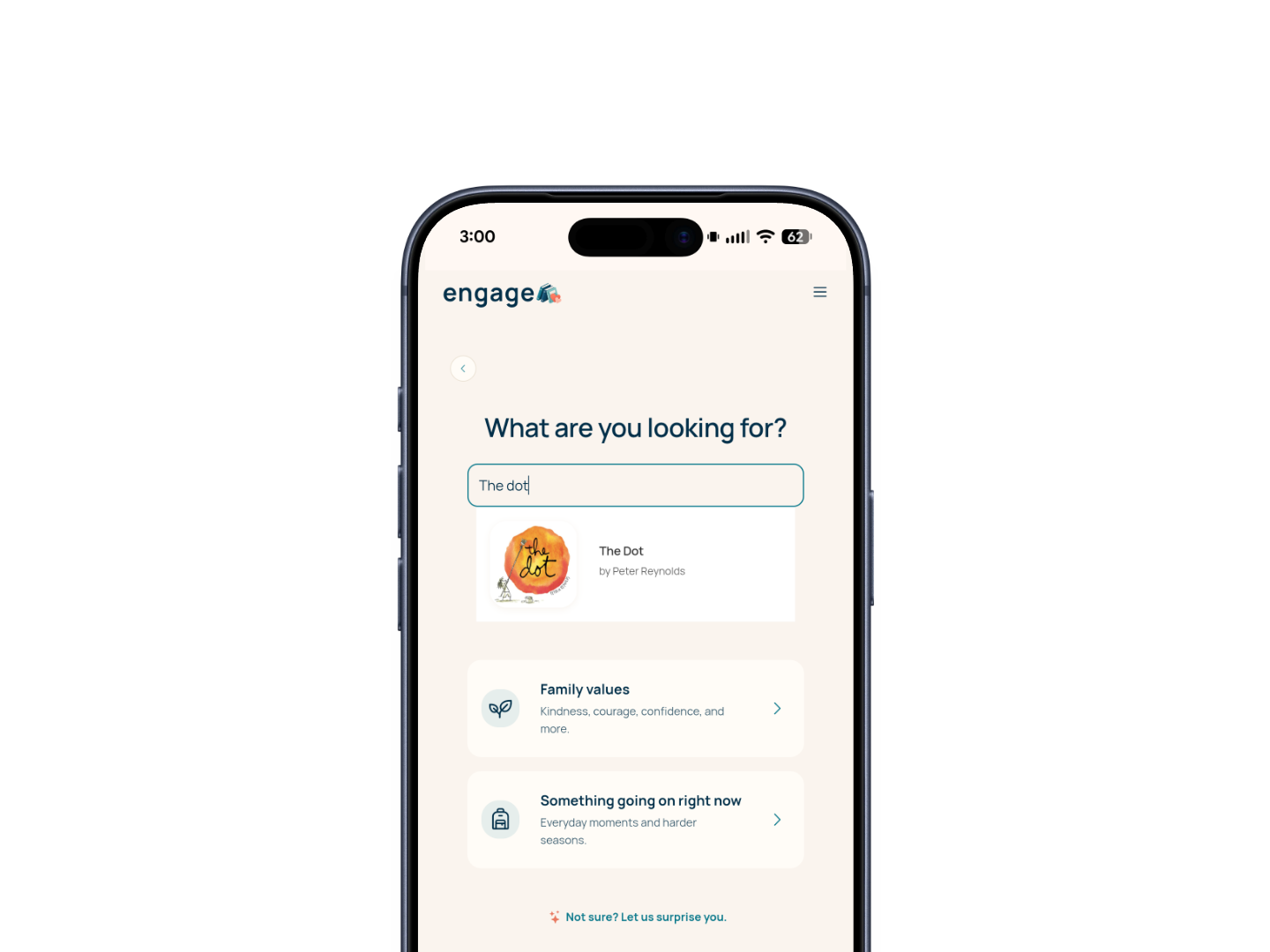
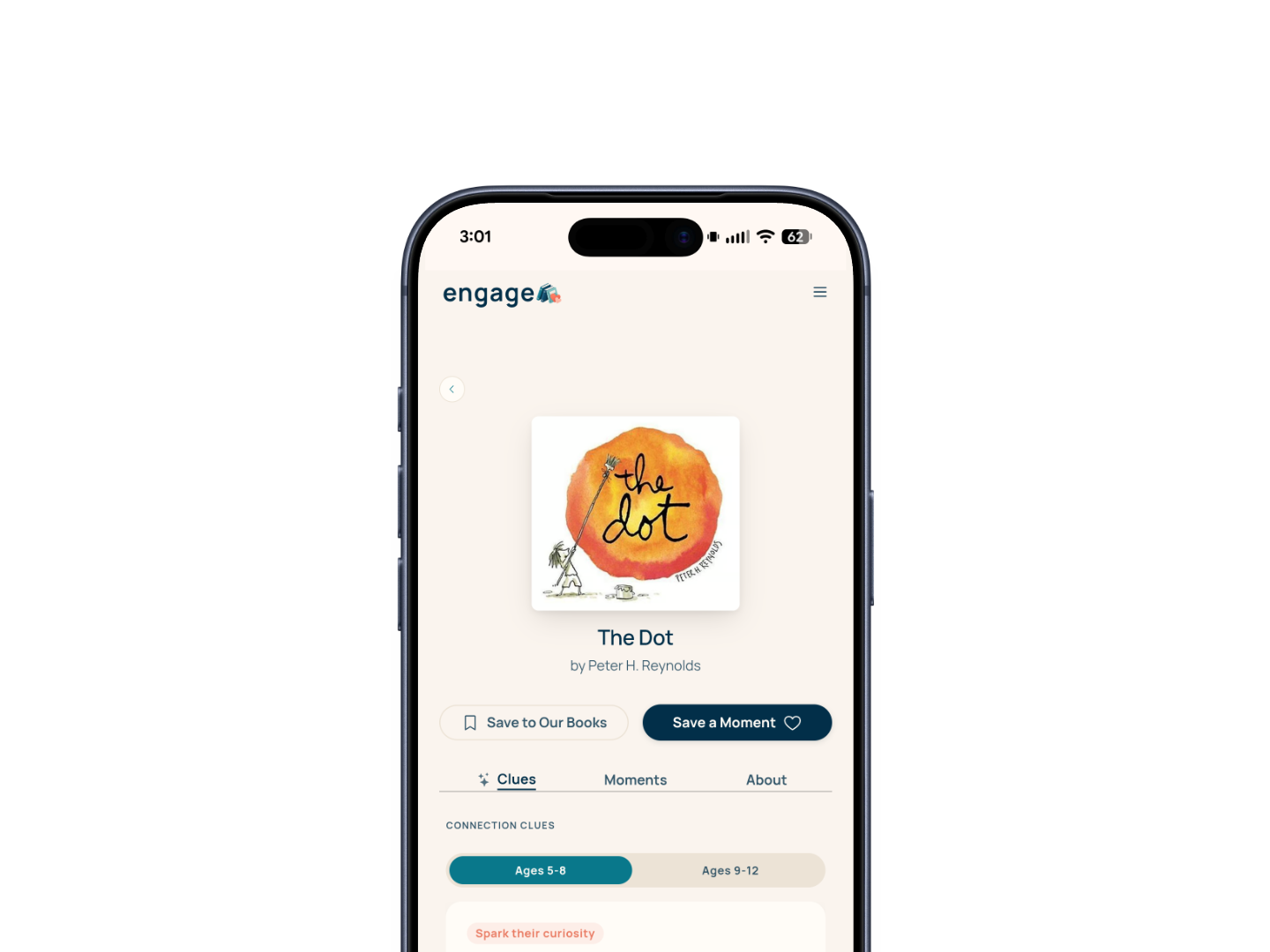
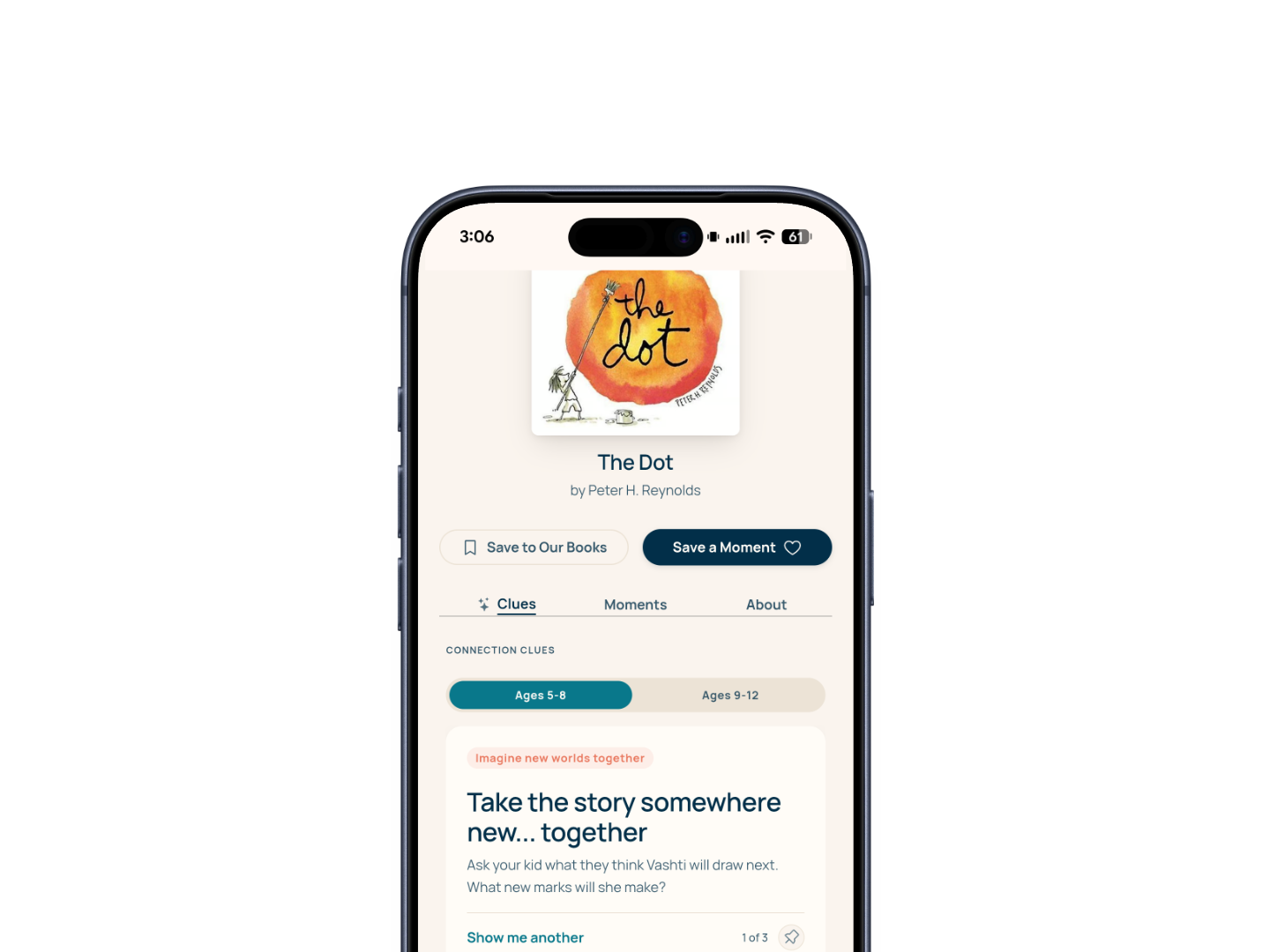
After you sign up, enter your book’s title. If it’s in the ENGAGE catalog, select it to see its information and book-specific guidance. Here’s an example with The Dot.
Try ENGAGE Tap a step to see the screen.01Type in your book
Enter the title in the search field, then select your book from the results.
02See your book’s information
Select the book to open its page. Use “About” to see information about the book.
03Find guidance for reading together
Open “Clues” and choose the age band that fits your child. Read the book-specific guidance and choose what fits your time together.
Sign up for ENGAGE to find guidance for reading a book together.
Sign up for ENGAGE14 days free, then $6.99/month at the founding price. No card required for the trial. Works in your browser.