
Books About Divorce for ChildrenRead about family changes together.
Dinosaurs Divorce, Standing on My Own Two Feet, and Weekend Dad show different parts of family separation. Choose a book that fits what your child knows, then read it together without asking them to explain their own family.
Try ENGAGE See the books ↓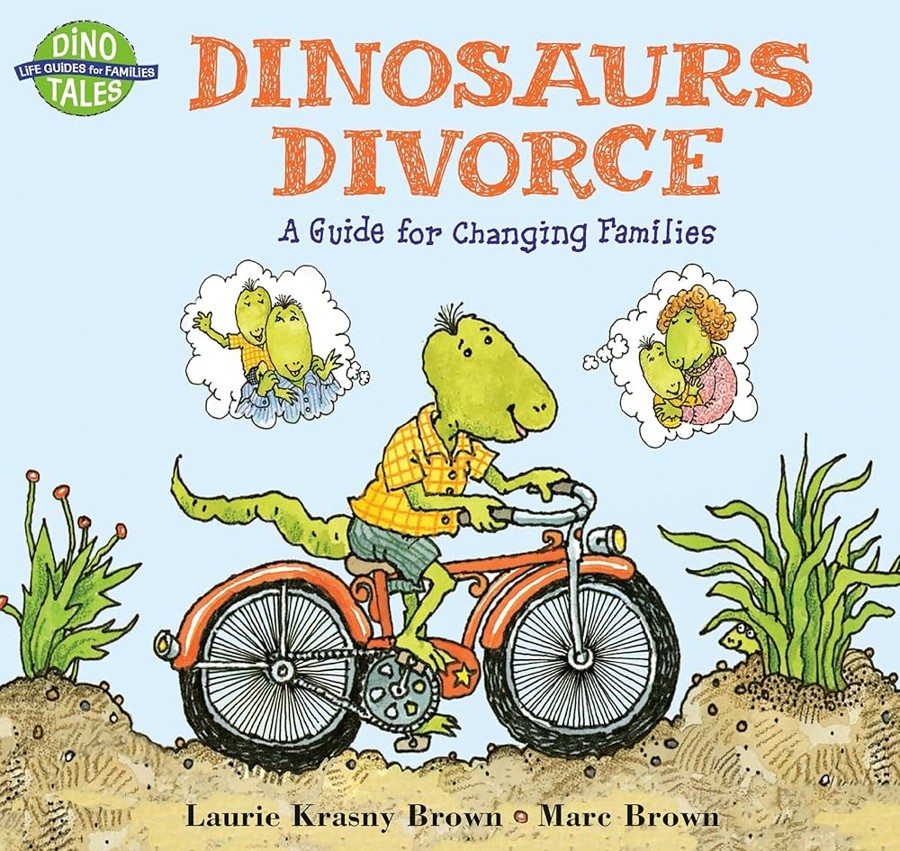
3 picture books.
Read at your child’s pace.
3 books to read together
These books about divorce for children include practical explanations, two-home routines, and time with a parent who lives elsewhere. A story is an option for reading together. It should not be used to announce a family change indirectly.
Reading To Connect is for family reading: a caregiver and a child, reading one book together. We don’t set an age limit on that. We list the publisher’s suggested ages so you can see the range, but you know your child best. Choose the book that fits the child in front of you.
Tap a title to read more.
| Book | What the story includes | Ages (publisher) |
|---|---|---|
| Dinosaurs Divorce | Words for changes in a family | 4 to 8 |
| Standing on My Own Two Feet | A child living in two homes | 3 to 7 |
| Weekend Dad | Time with a parent who lives elsewhere | 4 to 8 |
Dinosaurs Divorce
Dinosaur families explain divorce, living in two homes, holidays, and new family arrangements. The book covers several situations, so read the parts that match what your child wants to know.
Notice which practical detail your child returns to, such as where a parent lives or how holidays work. Answer about your own family only with facts you know.
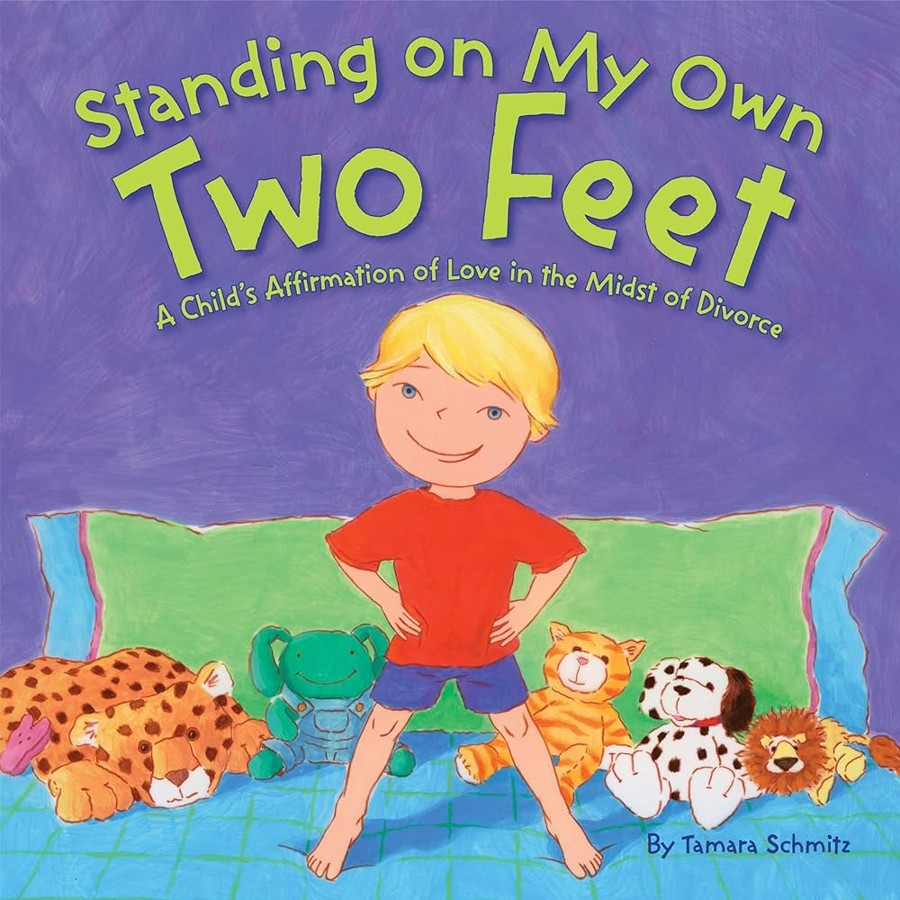
Standing on My Own Two Feet
Addison has two homes after his parents divorce. The story centers on his parents’ love for him. Check that its account fits your family before choosing it.
Pay attention to Addison’s ordinary life as well as the reassurance in the text. Your child is free to stay with the pictures or to say that their family is different.
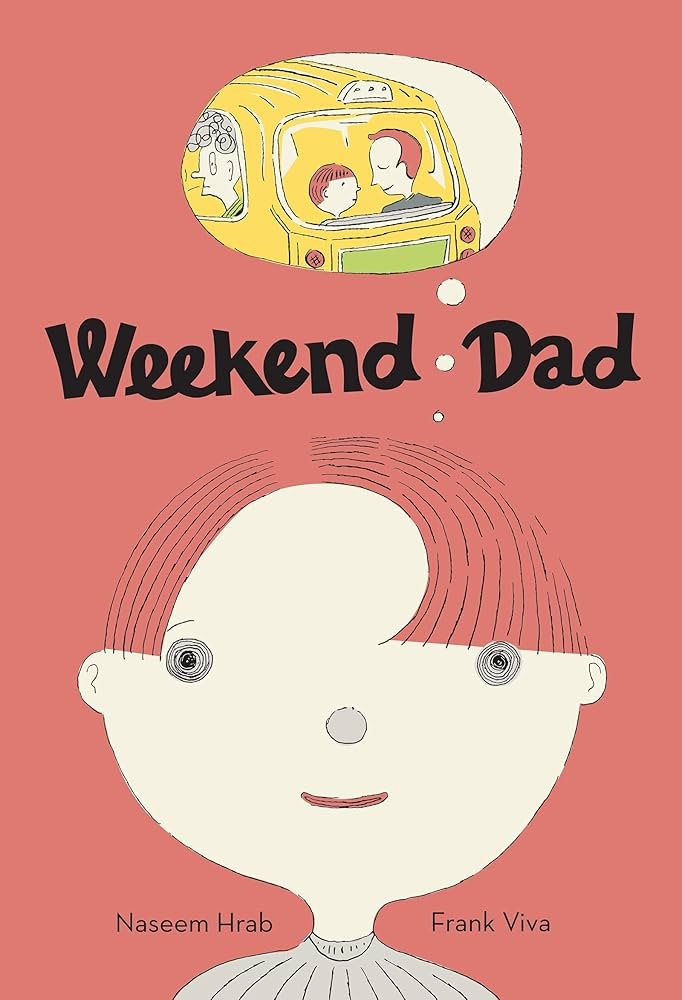
Weekend Dad
A boy visits his dad’s new apartment after his parents separate. Familiar activities continue in an unfamiliar place, and saying goodbye is hard.
Look at what feels familiar to the boy and what has changed. Let your child point out the food, rooms, or activities before deciding that they want to discuss separation.
What to notice
Notice whether your child wants a practical answer or another look at a picture. A question about where a character sleeps deserves an answer about that detail.
Let your child correct the comparison. “Our house is different” is useful information, not a reason to explain why you chose the book.
Keep your explanation about your family brief and factual. Say when you do not yet know an answer.
What not to do
- Do not ask which parent or home your child prefers.
- Do not use a character to criticize a parent or ask your child to take sides.
- Do not promise that arrangements will match the book. Share only what you know.
What to say
Offer one comment and pause. Your child decides whether to answer, add something else, or keep reading.
“There are things he knows in both places.”
“You’re right. That part is different from our family.”
Questions about reading together
Should I choose an explanation or a story?
If your child asks what divorce means, an explanatory book offers language for that question. If they are interested in ordinary time with a parent, a story about a visit offers a different starting place.
What if our family does not look like these families?
Say so plainly. Skip a book that does not fit your child’s situation. You do not need to make every family arrangement in a story match your own.
Do we have to talk about our family afterward?
No. Let your child decide whether to say more. Reading the book and putting it away is a complete reading experience.
Who wrote this and how the books were chosen
Quinn Cummings, Certified Family Life Educator (CFLE-P), is the founder of Reading To Connect. She built The ENGAGE Method® to help caregivers notice and respond to their children while reading together. Read about Quinn and her work.
The selection includes an explanation of divorce and stories about living in two homes and visiting a parent. Each title appears in the ENGAGE catalog supplied for this page.
Find guidance for the book you’re reading in ENGAGE
ENGAGE has book-specific guidance for reading together, with ideas for what to say and notice. Your child decides what to share, whether to answer, and when to turn the page.
Type in your book. See its information.
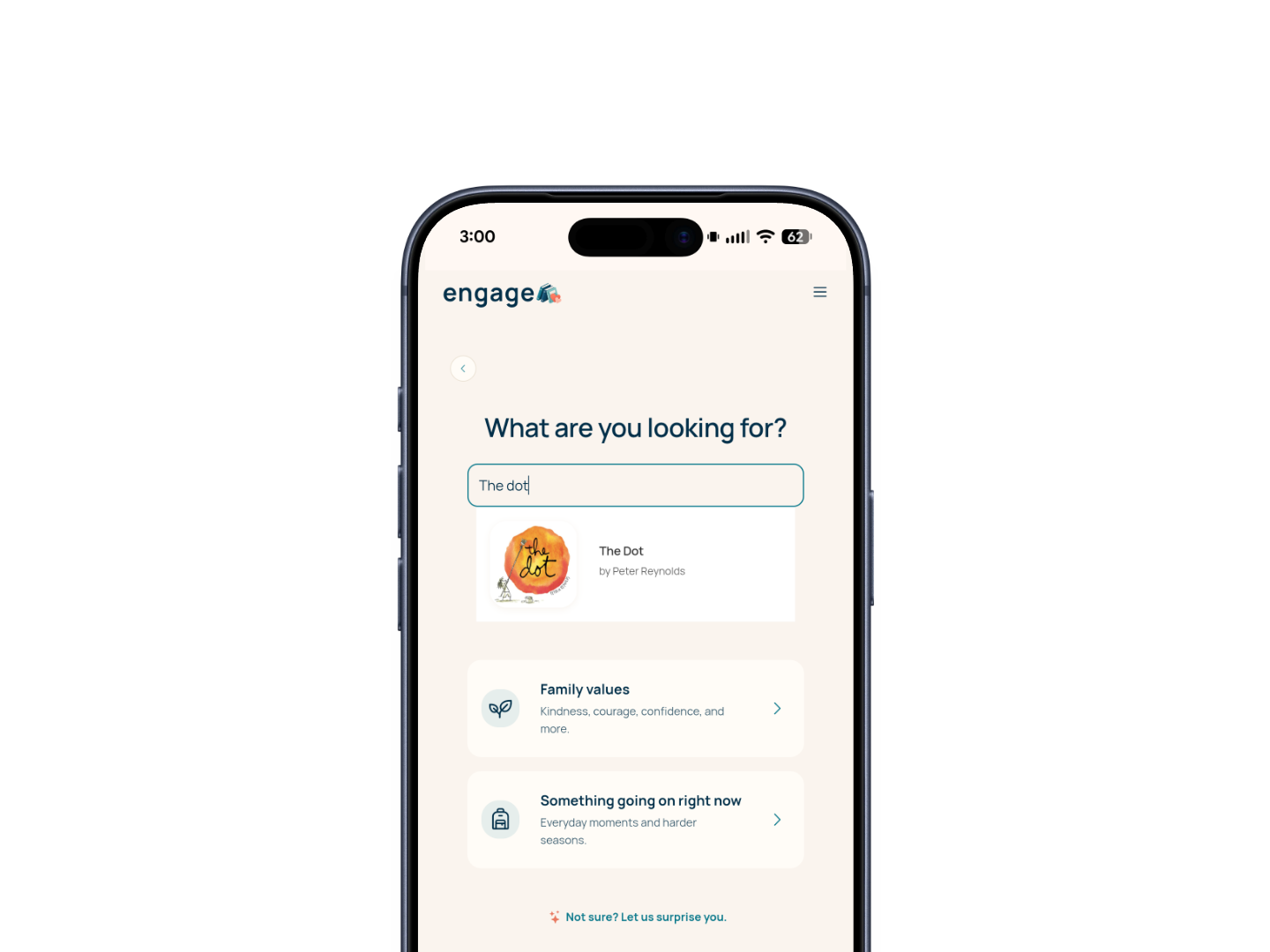
After you sign up, enter your book’s title. If it’s in the ENGAGE catalog, select it to see its information and book-specific guidance. Here’s an example with The Dot.
Try ENGAGE Tap a step to see the screen.01Type in your book
Enter the title in the search field, then select your book from the results.
02See your book’s information
Select the book to open its page. Use “About” to see information about the book.
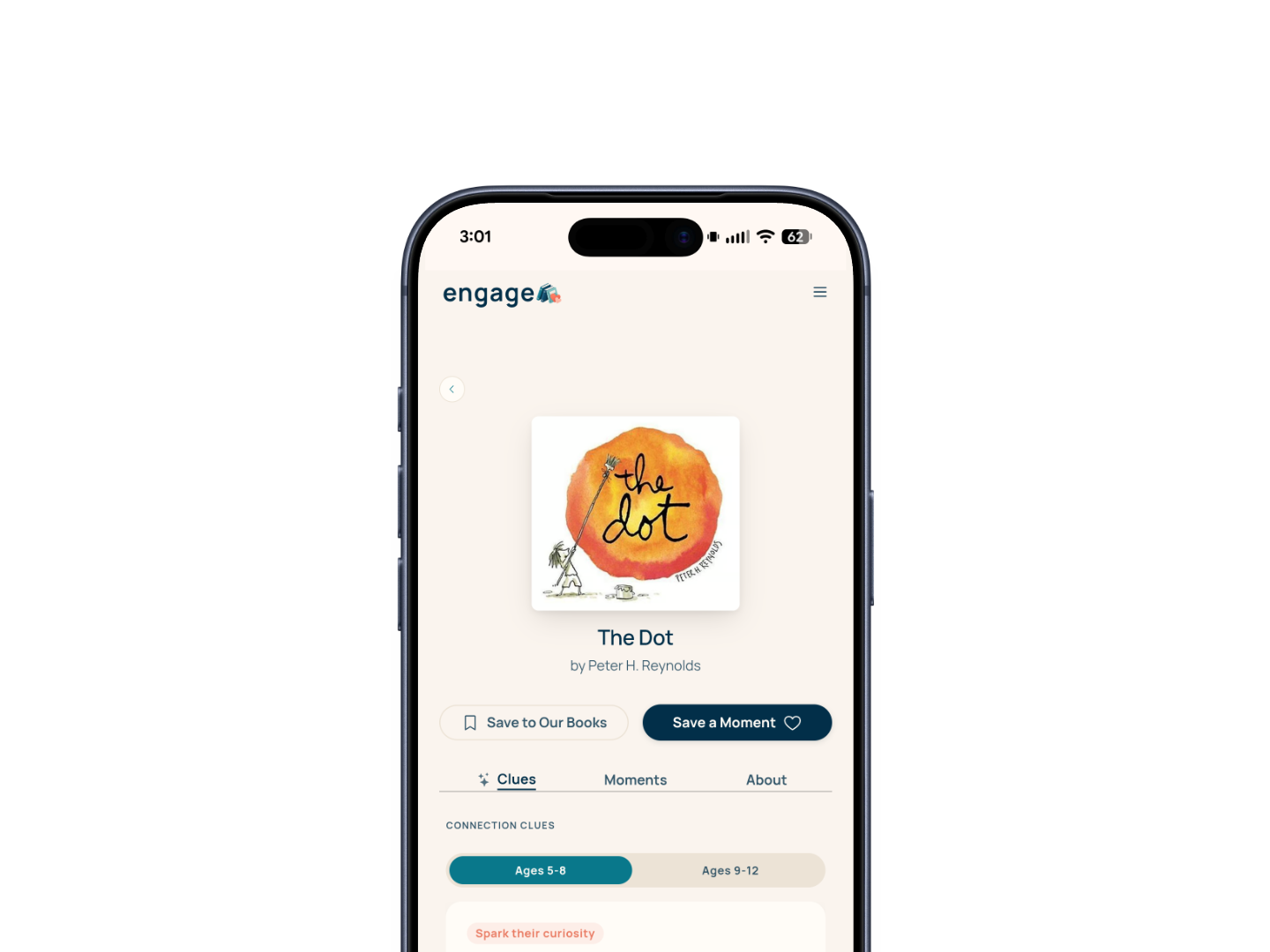
03Find guidance for reading together
Open “Clues” and choose the age band that fits your child. Read the book-specific guidance and choose what fits your time together.
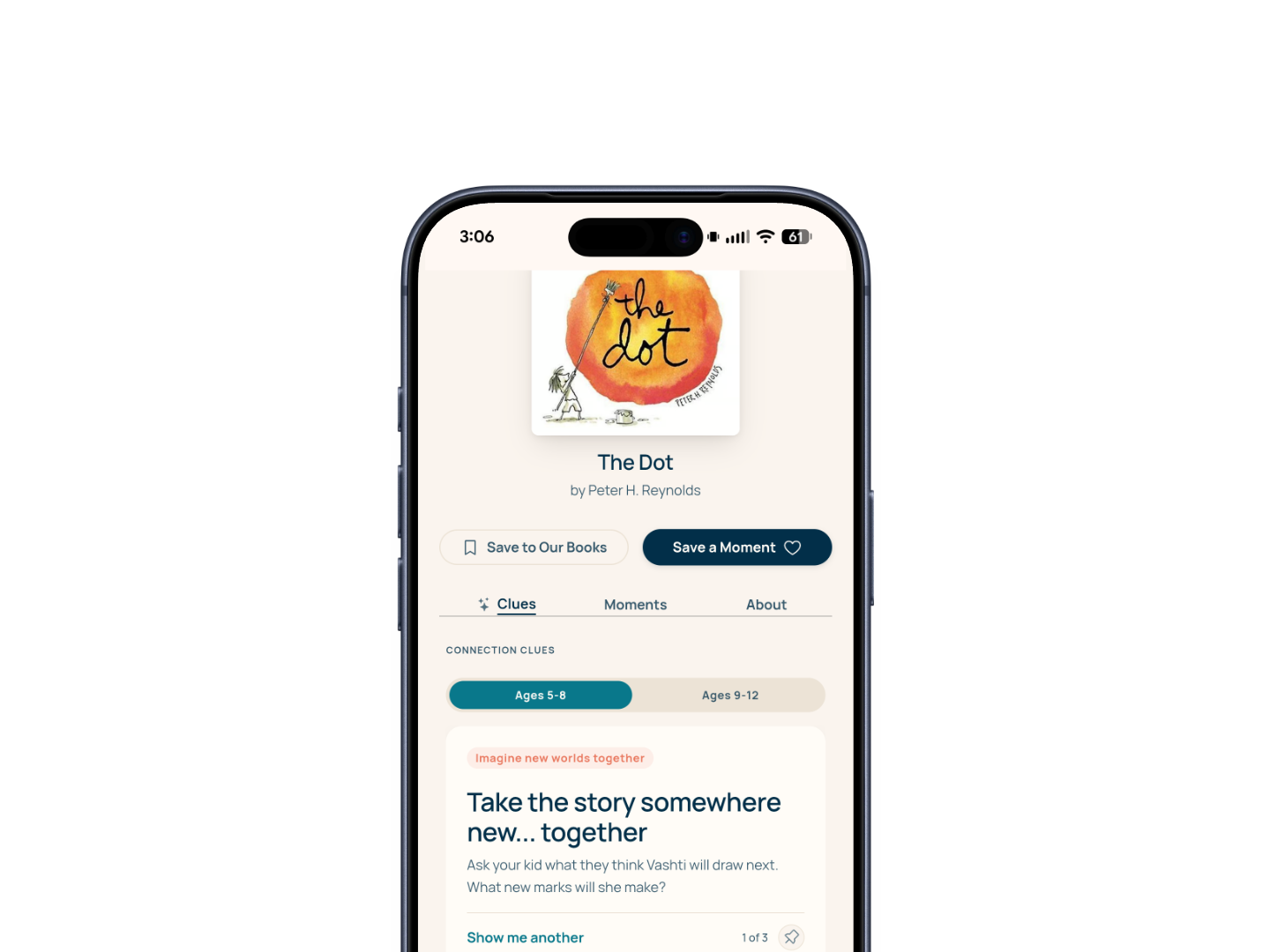
Sign up for ENGAGE to find guidance for reading a book together.
Sign up for ENGAGE14 days free, then $6.99/month at the founding price. No card required for the trial. Works in your browser.