
Books About Bullying for KidsRead together when school feels hard.
Llama Llama and the Bully Goat, My Secret Bully, and I Walk with Vanessa show name-calling, hurtful friendship, and someone who chooses to offer company. Read the story together, and listen if your child wants to tell you about their own day.
Try ENGAGE See the books ↓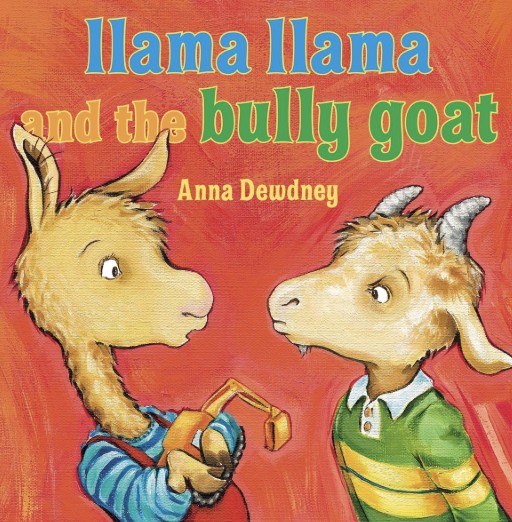
3 picture books.
Read at your child’s pace.
3 books to read together
These books about bullying for kids show different situations. One includes a teacher, one focuses on a friendship, and one tells its story through pictures. Pick the situation your child wants to read about, without assigning them a role.
Reading To Connect is for family reading: a caregiver and a child, reading one book together. We don’t set an age limit on that. We list the publisher’s suggested ages so you can see the range, but you know your child best. Choose the book that fits the child in front of you.
Tap a title to read more.
| Book | What the story includes | Ages (publisher) |
|---|---|---|
| Llama Llama and the Bully Goat | Name-calling at school | 2 to 5 |
| My Secret Bully | A friend who excludes and belittles | 6 to 9 |
| I Walk with Vanessa | Someone who notices and offers company | 4 to 8 |
If your child tells you about bullying, listen and involve a trusted adult at school or the organization where it happens. A book does not replace adult help.
Llama Llama and the Bully Goat
Gilroy Goat teases and calls names at school. Llama Llama and the other children turn to their teacher for help. The story also raises the question of what happens after hurtful behavior.
Notice the teacher’s role as well as the children’s actions. An adult is responsible for helping with bullying. Your child does not owe friendship to someone who hurts them.
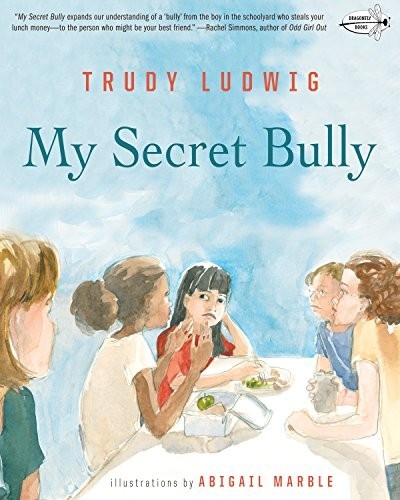
My Secret Bully
Monica’s friend Katie is sometimes kind and sometimes hurtful. Name-calling and exclusion leave Monica unsure about the friendship. Her mother listens and helps her consider what to do.
Watch for the difference between being included and being made to earn someone’s approval. If your child names a real situation, put the book aside and listen to what happened.
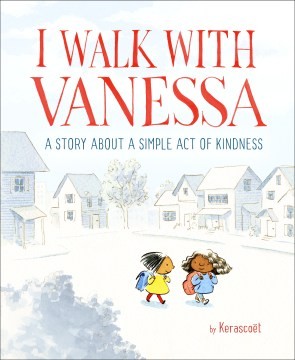
I Walk with Vanessa
In this wordless story, a child sees Vanessa being treated unkindly. She decides to walk with Vanessa, and other children join them. The pictures let readers follow the action at their own pace.
Follow where your child points. Look at who is alone, who notices, and who chooses to walk alongside someone. Let the pictures lead instead of asking for a lesson.
What to notice
Notice who is present when the hurtful behavior happens and who helps afterward.
Listen when your child disagrees with the ending. A quick reconciliation in a book does not require one in real life.
If your child tells you about bullying, pause the story. Listen, thank them for telling you, and discuss which trusted adult will help.
What not to do
- Do not tell your child to solve bullying alone.
- Do not require forgiveness, friendship, or an apology exchange.
- Do not ask your child to name classmates who match each character.
- Do not treat a kind act in a story as a substitute for adult action.
What to say
Offer one comment and pause. Your child decides whether to answer, add something else, or keep reading.
“She noticed Vanessa was alone.”
“Thank you for telling me. We’ll talk about who can help.”
Questions about reading together
Is every disagreement bullying?
No. A disagreement and a pattern of bullying are different. Listen to what happened rather than deciding from one character comparison. The school or organization should help you understand and address the situation.
What if my child has hurt another child?
Listen to their account and be clear that hurting or excluding someone is not acceptable. Work with the adults involved. Reading is an opportunity to notice other people, not a replacement for responding to the behavior.
Do these books require the child to become friends afterward?
Your child does not owe friendship to someone who hurts them. Talk about safety and respectful behavior separately from choosing a friend.
For adult support beyond reading, see StopBullying.gov’s guidance for supporting children.
Who wrote this and how the books were chosen
Quinn Cummings, Certified Family Life Educator (CFLE-P), is the founder of Reading To Connect. She built The ENGAGE Method® to help caregivers notice and respond to their children while reading together. Read about Quinn and her work.
The selection includes verbal bullying, exclusion within a friendship, and a wordless story about offering company. Each title appears in the ENGAGE catalog supplied for this page.
Find guidance for the book you’re reading in ENGAGE
ENGAGE has book-specific guidance for reading together, with ideas for what to say and notice. Your child decides what to share, whether to answer, and when to turn the page.
Type in your book. See its information.
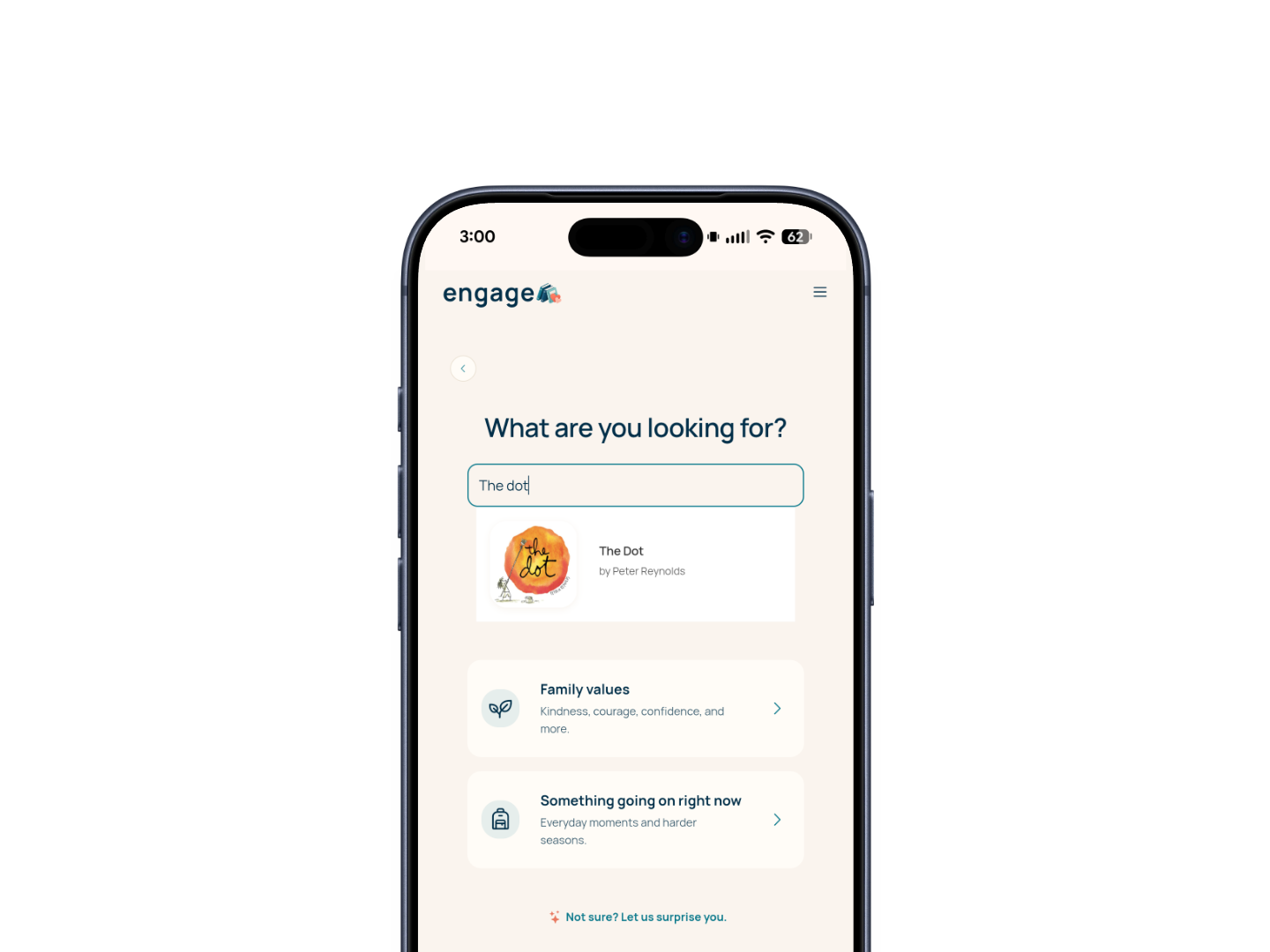
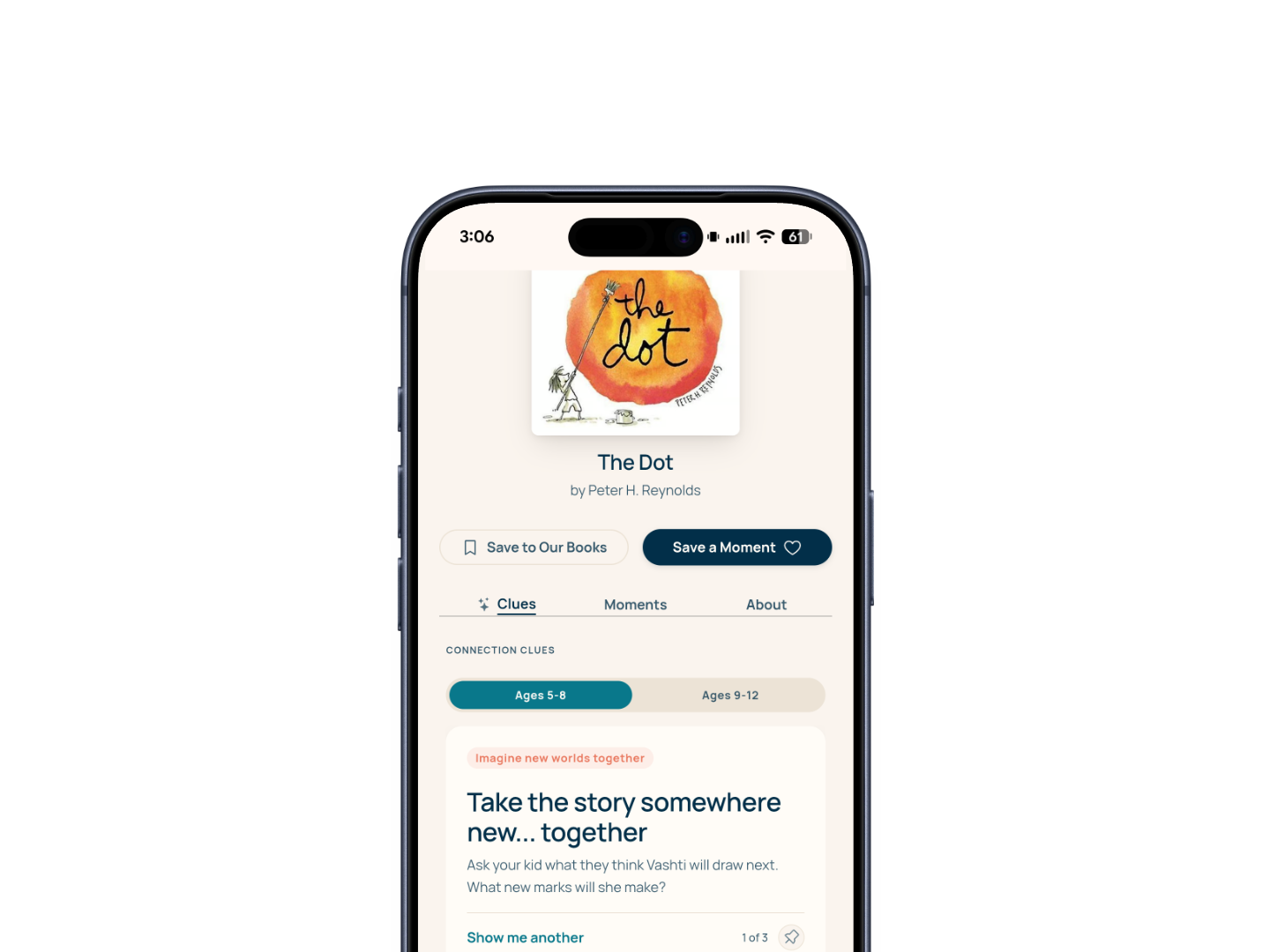
After you sign up, enter your book’s title. If it’s in the ENGAGE catalog, select it to see its information and book-specific guidance. Here’s an example with The Dot.
Try ENGAGE Tap a step to see the screen.01Type in your book
Enter the title in the search field, then select your book from the results.
02See your book’s information
Select the book to open its page. Use “About” to see information about the book.
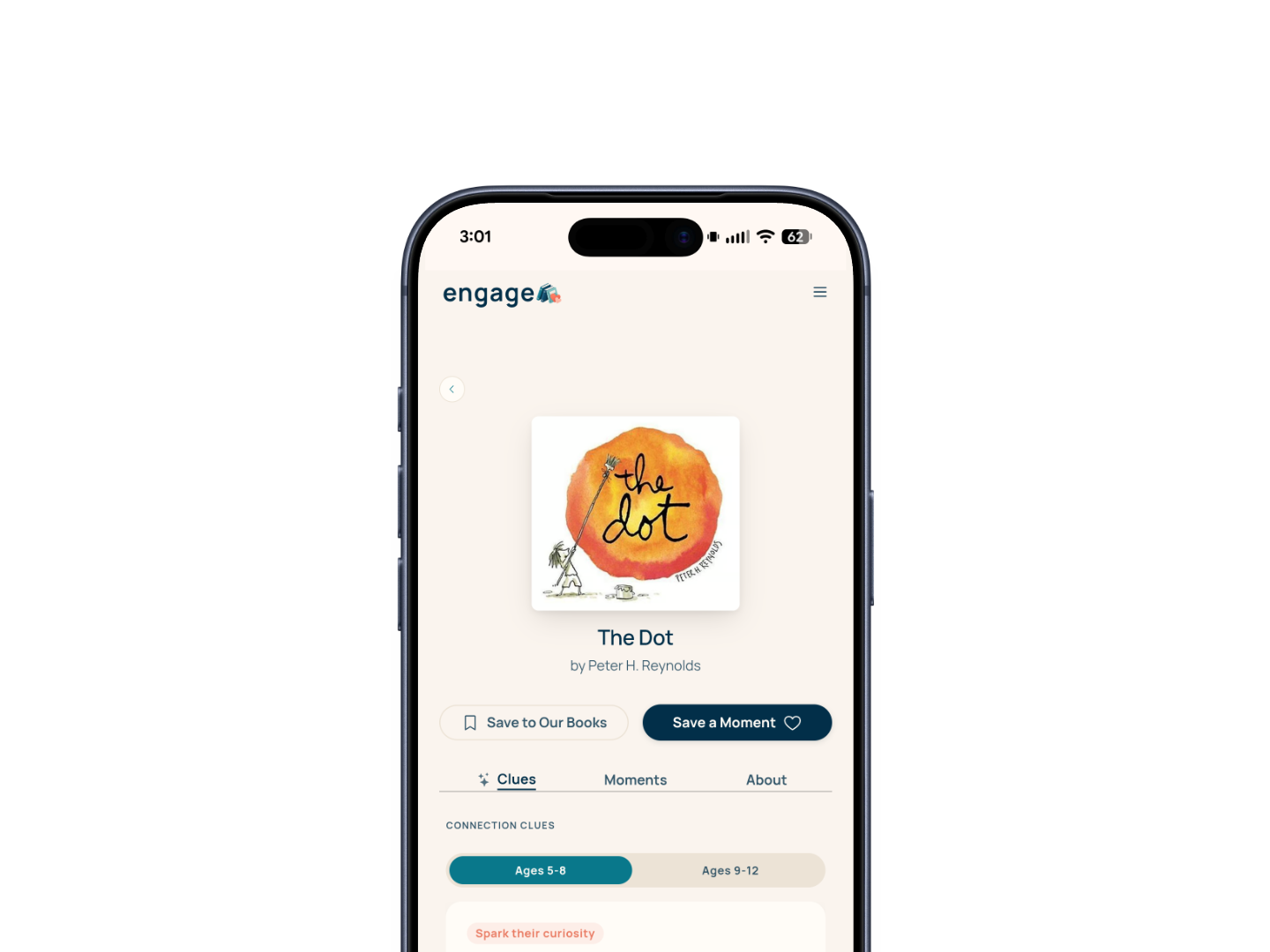
03Find guidance for reading together
Open “Clues” and choose the age band that fits your child. Read the book-specific guidance and choose what fits your time together.
Sign up for ENGAGE to find guidance for reading a book together.
Sign up for ENGAGE14 days free, then $6.99/month at the founding price. No card required for the trial. Works in your browser.